Has Been or Have Been : Meaning, Difference & Easy Examples
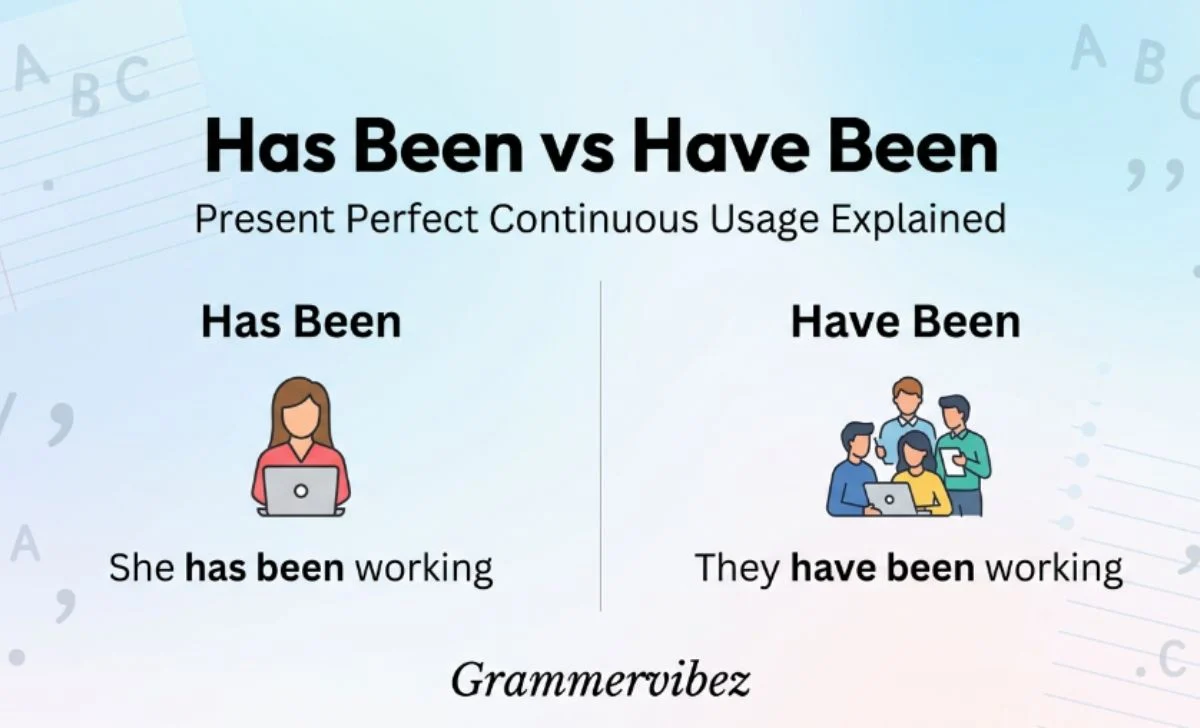
Understanding the difference between has been, have been, and had been is one of the most important parts of English ...
Read more
MS or Miss: Meaning, Difference and When to Use Each
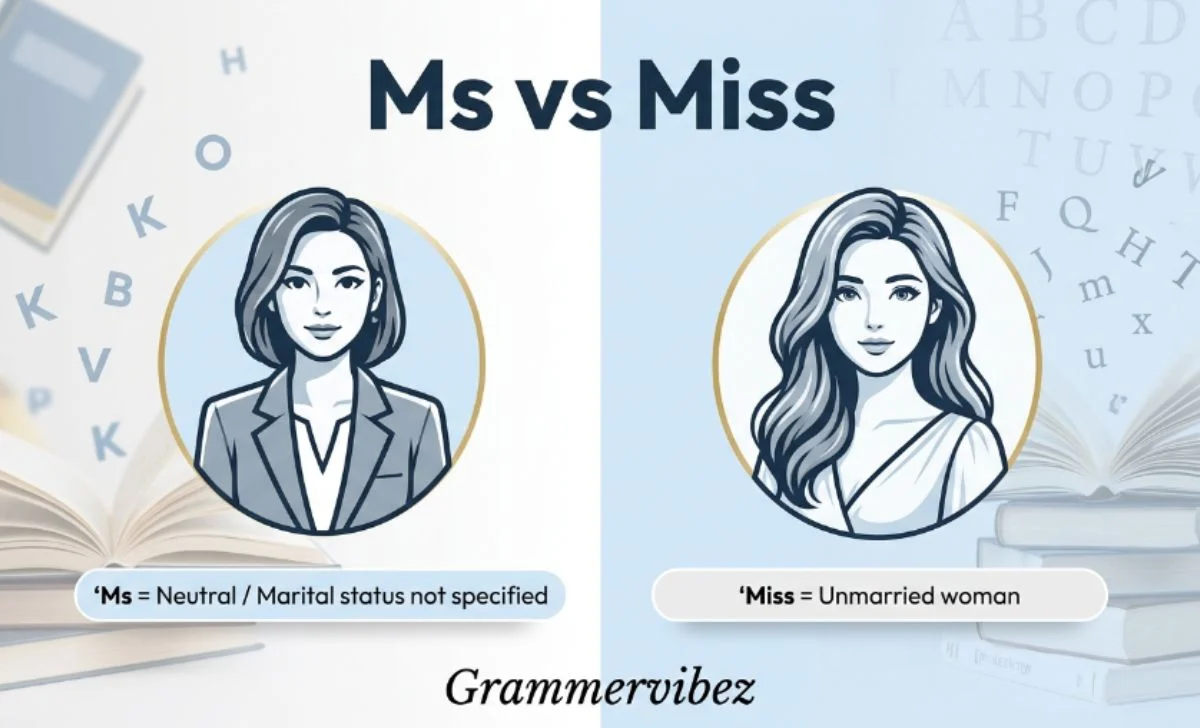
MS or Miss is a common confusion in English writing. These courtesy titles, Miss, Mrs., Ms., and Mx., are used ...
Read more
Your or You’re: What’s the Difference and How to Use Them Correctly
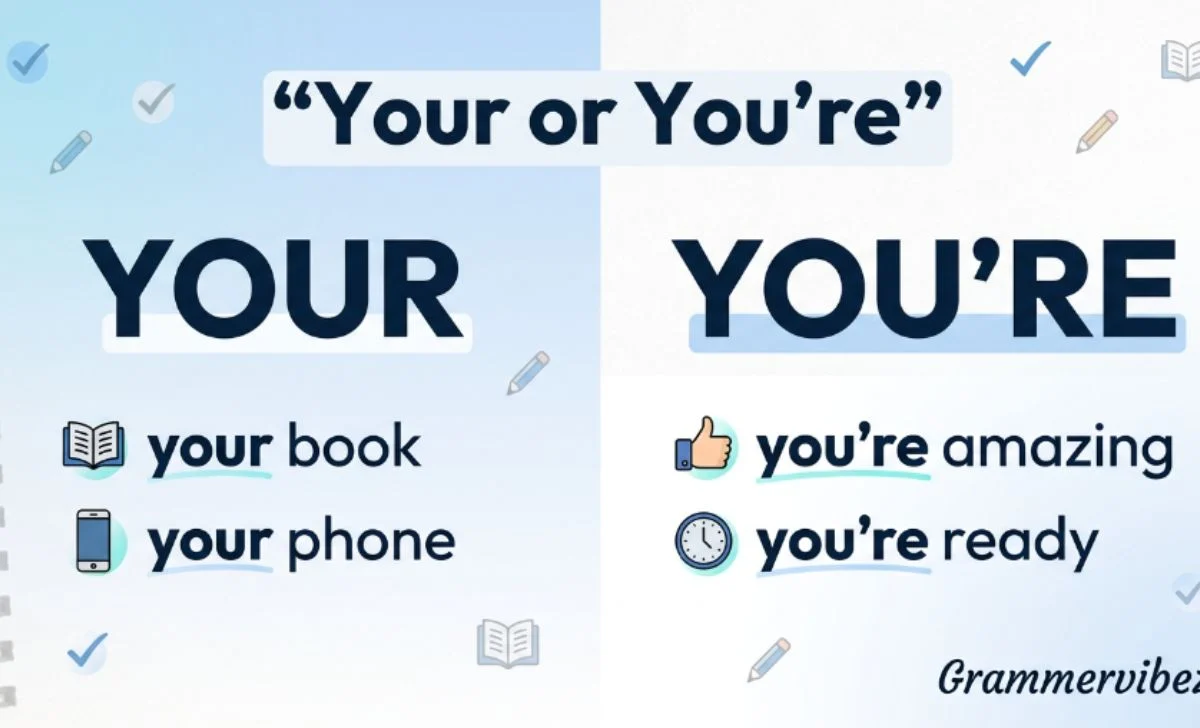
Many people struggle with your or you’re because both words sound exactly the same when spoken. However, they have different ...
Read more
Sizable or Sizeable: British vs American English Explained Simply
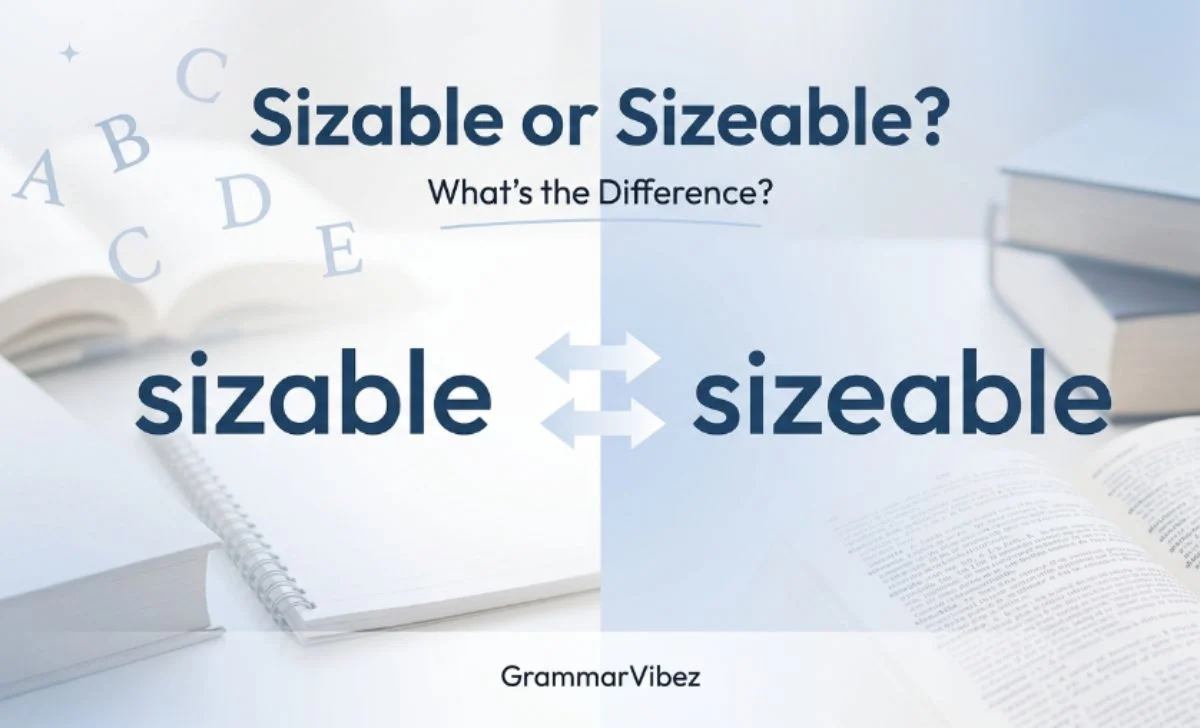
The spelling difference between “sizable or sizeable” often confuses English learners, writers, and even content creators. Both words look almost ...
Read more
Awhile or a While Simple Grammar Rule Explained with Examples
The difference between “awhile” and “a while” is a common grammar confusion in the English grammar. Both expressions are related ...
Read more
Are They Siblings or Dating? Easy Ways to Find Out
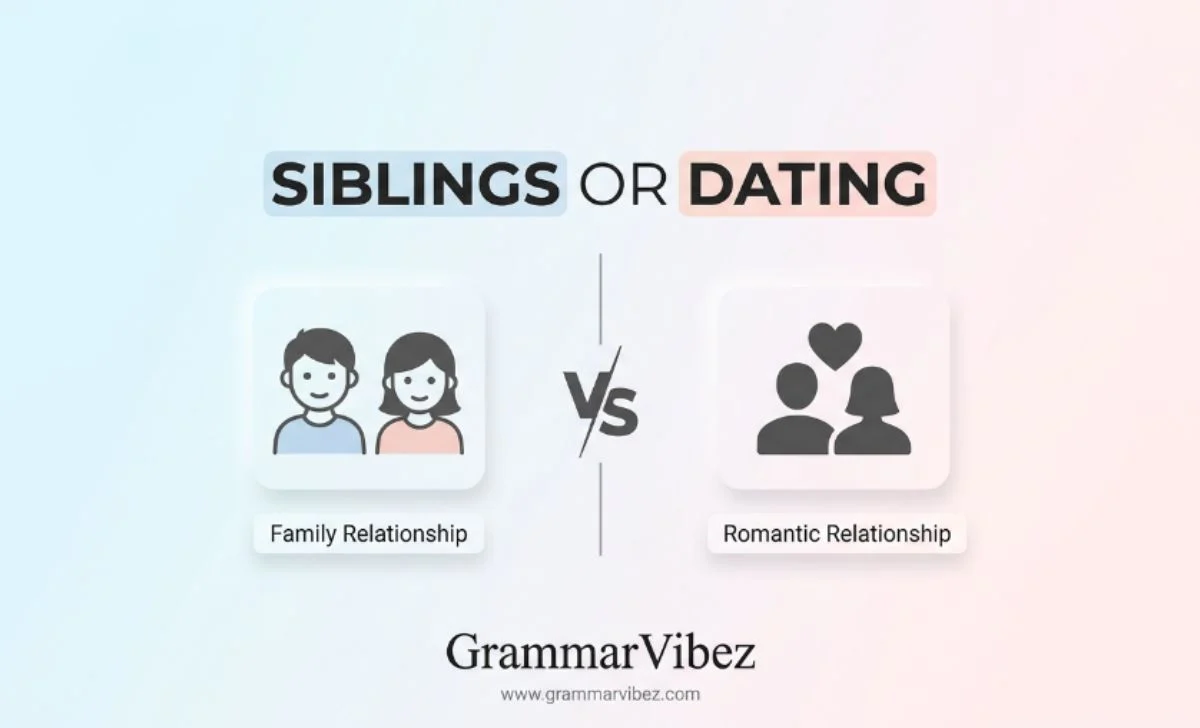
The phrase “siblings or dating” is commonly used on social media, memes, quizzes, and online discussions when people try to ...
Read more
Do or Do Not : There Is No Try Complete Meaning Explained

The phrase “do or do not” is one of the most famous motivational and philosophical lines in modern pop culture. ...
Read more
Stop Confusing < and >: Learn Less Than or Greater Than the Easy Way
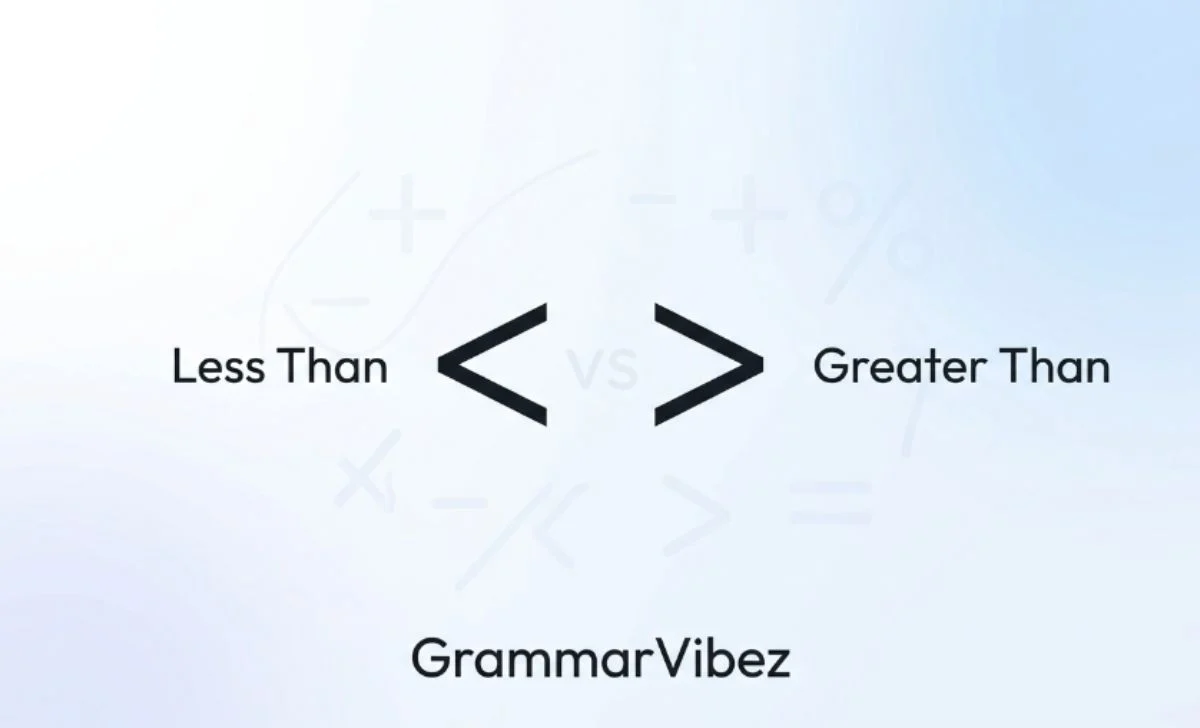
The symbols less than (<) and greater than (>) are very common in mathematics and everyday problem-solving. However, many students ...
Read more
Whether or Not: Meaning & Usage Guide
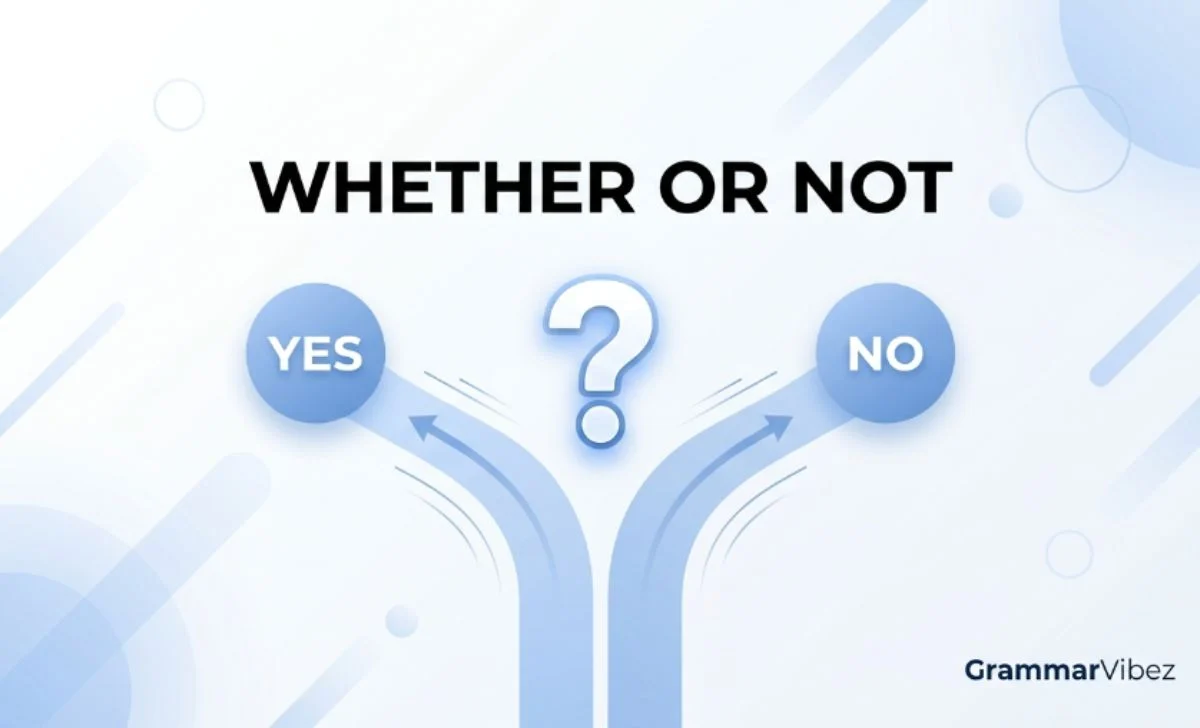
The phrase “whether or not” is widely used in English to express doubt, alternatives, or conditions. However, many learners still ...
Read more
Freshmen or Freshman: The Simple Rule Every Student Must Know
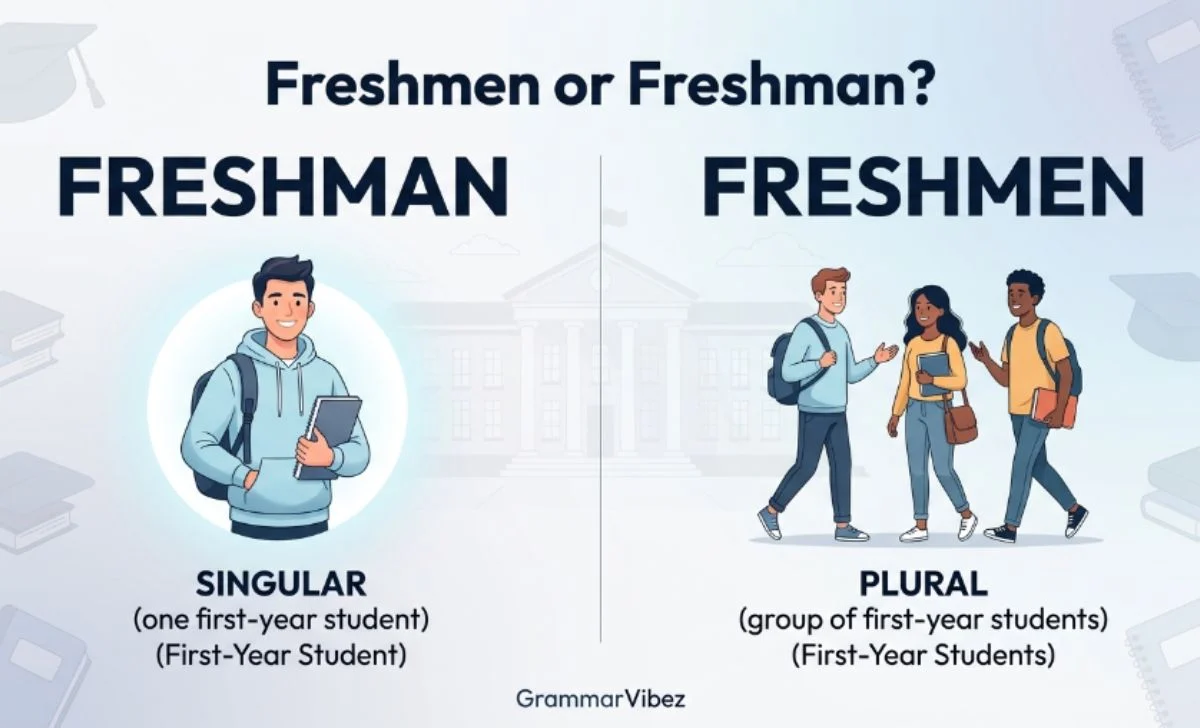
Many English learners get confused between “freshmen” and “freshman,” especially when reading about school, college, or university life. However, this ...
Read more