Laying or Lying: Which Is Correct in English Grammar?
laying or lying

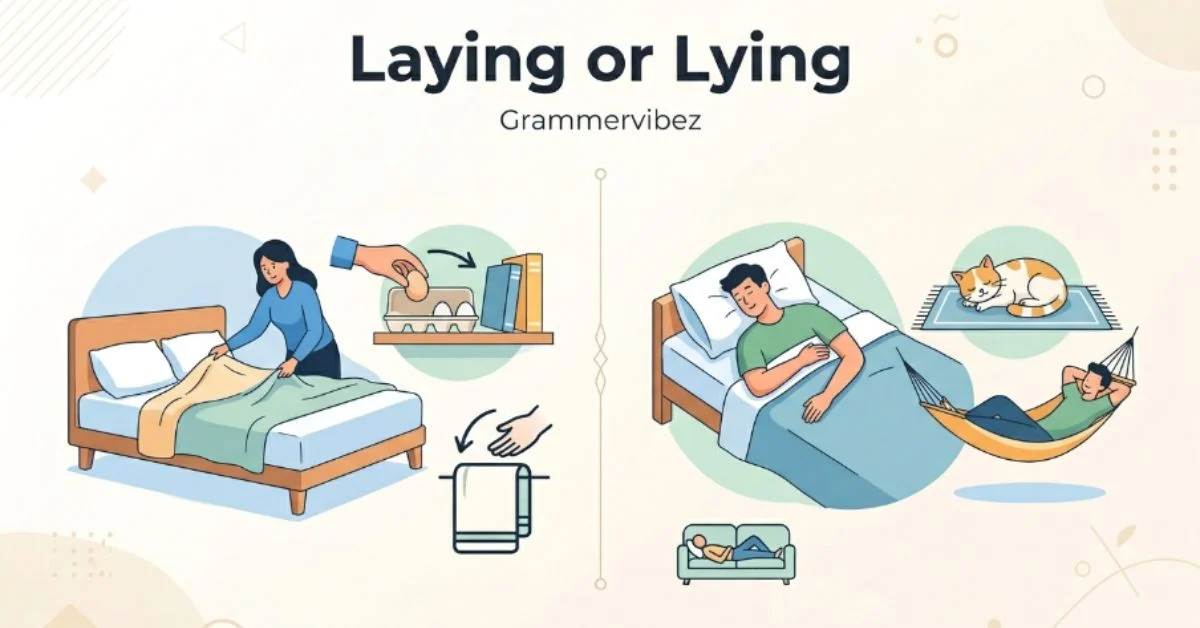
The words laying and lying often confuse English learners because both come from similar verbs but have completely different meanings and grammar rules. However, they are not interchangeable. “Lying” usually refers to resting position or telling a false statement, while “laying” is the action of placing something down. Therefore, using the correct form is important … Read more
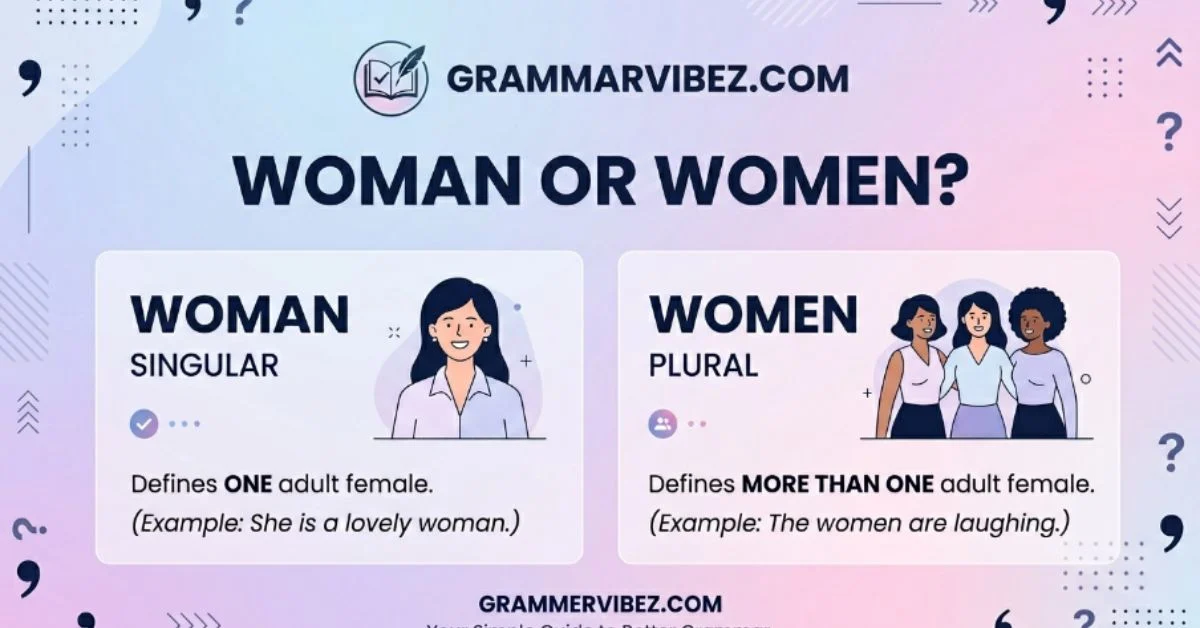
Women or Woman: What Is the Correct Usage in English?

Women or Woman

The words “woman” and “women” are often confused by English learners because they look similar but have very different meanings and usage. However, understanding the difference is simple once you learn the rule. “Woman” refers to one female adult, whereas “women” is the plural form. Moreover, this small spelling change affects grammar, sentence structure, and … Read more

Ect or Etc: Which One Is Correct in English?

ect or etc

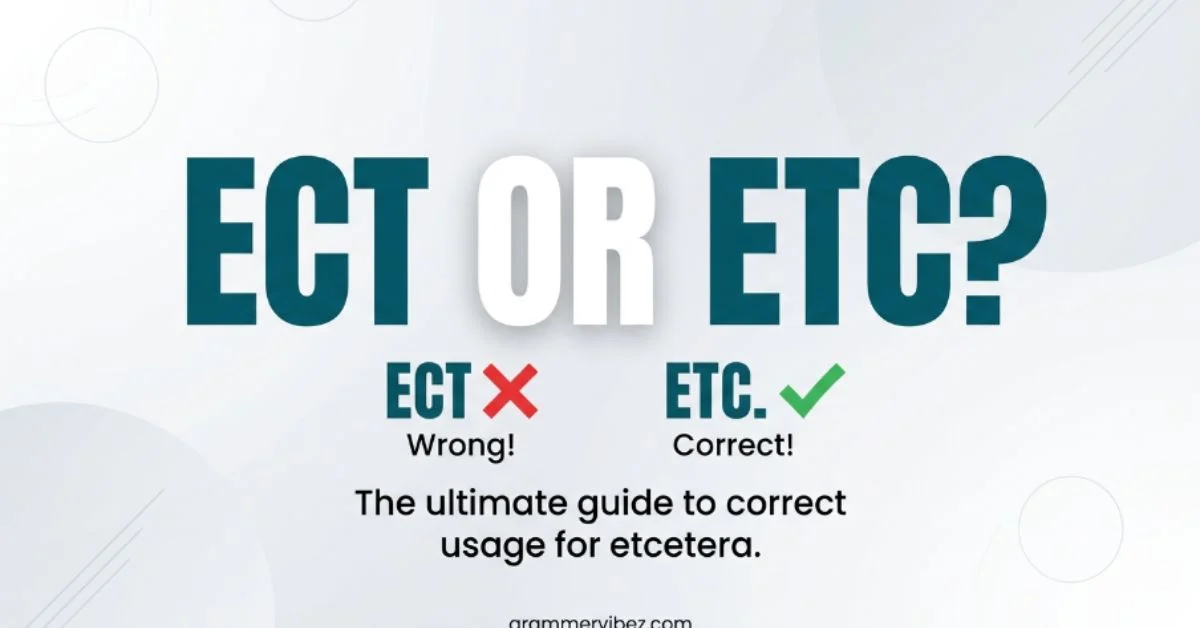
Many English learners and even native speakers often get confused between “ect” and “etc” because both look similar when typed quickly. However, only one of them is correct in standard English usage, while the other is simply a common typing mistake. This confusion usually appears in emails, assignments, and social media writing where speed matters … Read more

Spanish or Vanish:Meaning and Usage Explained

spanish or vanish

The phrase “spanish or vanish” is often seen online, especially in memes, captions, and casual internet conversations. However, many people get confused because it is not a standard English grammar rule or dictionary phrase. Therefore, users frequently search for its meaning, correct usage, and whether it is grammatically accurate. In addition, it appears in different … Read more

Traveled or Travelled: American vs British English Spelling Guide

traveled or travelled

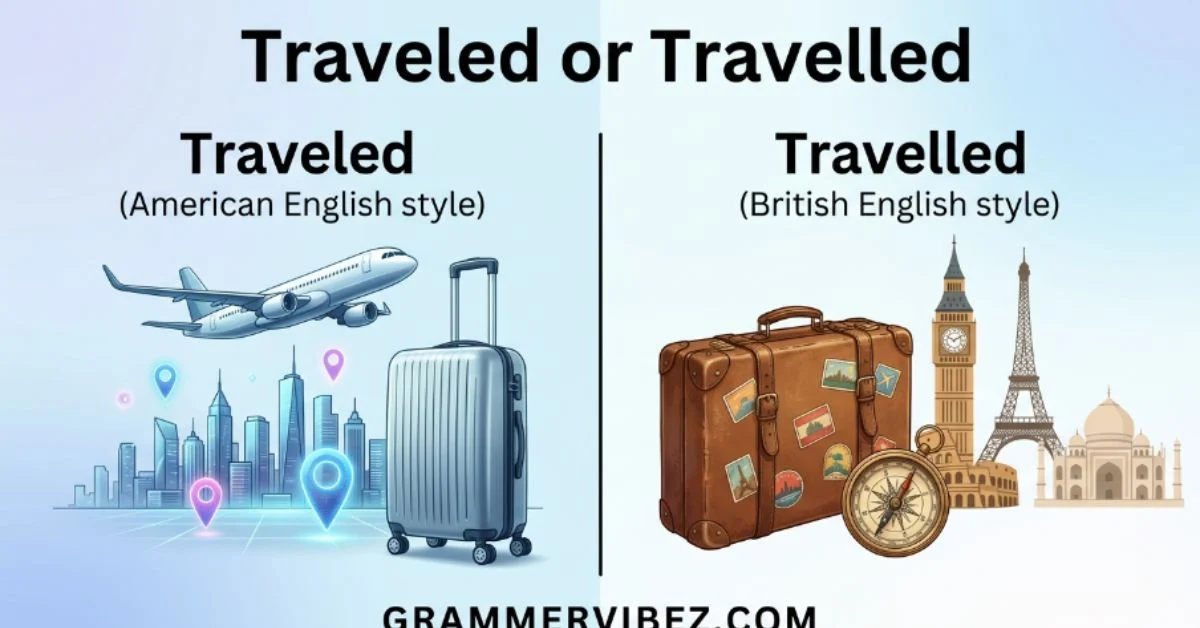
The confusion between “traveled” and “travelled” is very common in the English language, especially for learners and even native writers. However, the difference is not about meaning but about regional spelling rules. Therefore, understanding where each form is used helps you write more professionally and avoid mistakes in exams, blogs, or formal writing. In addition, … Read more

Nosey or Nosy: Which Spelling Is Correct and Why It Matters

nosey or nosy

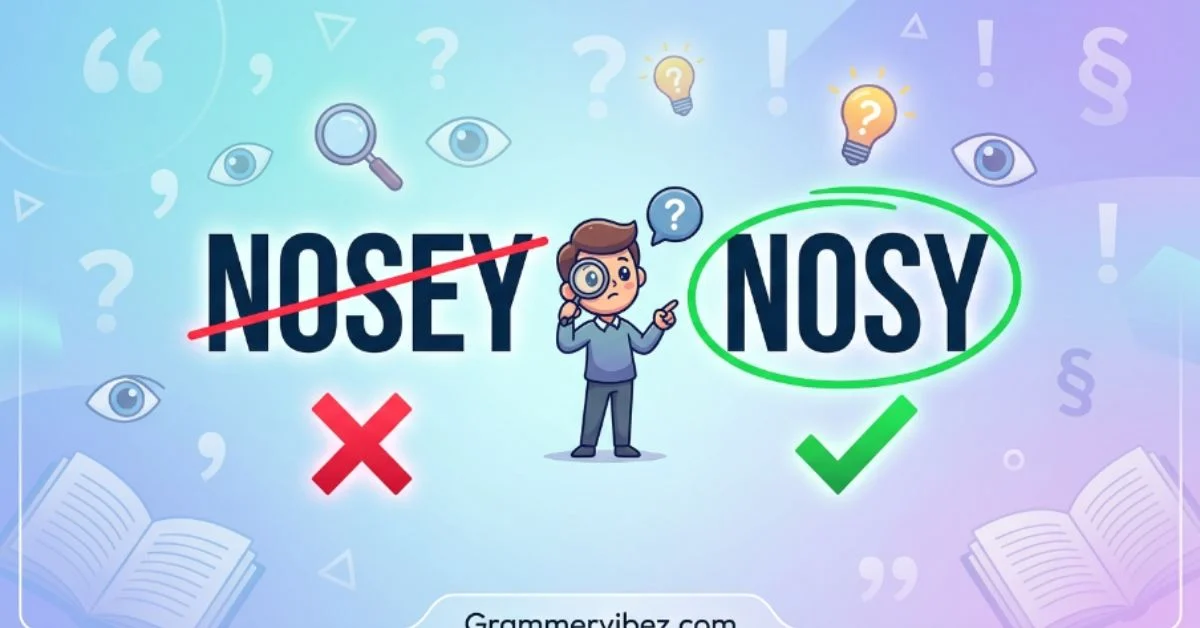
In modern English, small spelling variations often create confusion, especially when both forms look similar but carry subtle stylistic differences. One such commonly searched pair is “nosey or nosy.” Moreover, both words are used to describe someone who shows excessive curiosity about other people’s affairs. However, writers often wonder which spelling is correct in British … Read more

Afterward or Afterwards: Difference, Meaning, and Usage Guide

afterward or afterwards

In modern English writing, small spelling variations often create confusion, especially when both forms are correct but used in different regions. One such common confusion is “afterward or afterwards.” Moreover, both words are widely used in academic writing, business communication, and SEO content. However, writers still struggle to choose the right version for British English … Read more

Kill or Be Killed Meaning Explained in Simple Words (Complete Guide)

kill or be killed

The phrase “kill or be killed” is widely used in literature, movies, and survival discussions to describe extreme situations where survival depends on eliminating a threat first. Moreover, it reflects a mindset shaped by fear, competition, and high-stakes environments. In addition, it often appears in fiction, psychology, and even business metaphors to explain aggressive survival … Read more

Councilor or Counselor: Meaning, Difference and Correct Usage Guide

Councilor or Counselor

The words councilor and counselor often confuse English learners because they look similar but have completely different meanings in real life. However, the difference becomes clear once you understand their context. A small spelling change can shift the meaning from a government representative to a person who gives advice or guidance. Therefore, knowing when to … Read more