Worshiper or Worshipper: Which Spelling Is Correct?

worshiper or worshipper

The confusion between “worshiper” and “worshipper” is common because both spellings appear in books, websites, churches, and online dictionaries. However, the correct choice often depends on the type of English you use. In American English, “worshiper” is more common, while British English usually prefers “worshipper.” Therefore, neither spelling is completely wrong. The key is understanding … Read more

Synced or Synched: What’s the Difference?

synched or synced

Many people get confused between “synched” and “synced,” especially when talking about technology, cloud storage, mobile apps, or device updates. Both spellings appear online, which makes the difference even harder to understand. However, while both words are technically accepted, one form is far more common in modern English. Therefore, knowing which spelling to use can … Read more

Belive or Believe: Which Spelling Is Correct?

belive or believe

Many English learners accidentally write “belive” instead of “believe.” The confusion usually happens because English spelling rules can feel inconsistent. However, only one spelling is correct in modern English. Therefore, understanding the difference between “belive” and “believe” is important for clear writing, professional communication, and grammar accuracy. Whether you are writing emails, essays, captions, or … Read more

Sweeped or Swept: Which Word Is Correct?

Sweeped or Swept

Many English learners and even native speakers get confused between “sweeped” and “swept.” At first glance, “sweeped” may seem correct because many verbs form the past tense by adding “-ed.” However, English also contains irregular verbs, and “sweep” is one of them. Therefore, the correct past tense and past participle form is “swept,” not “sweeped.” … Read more

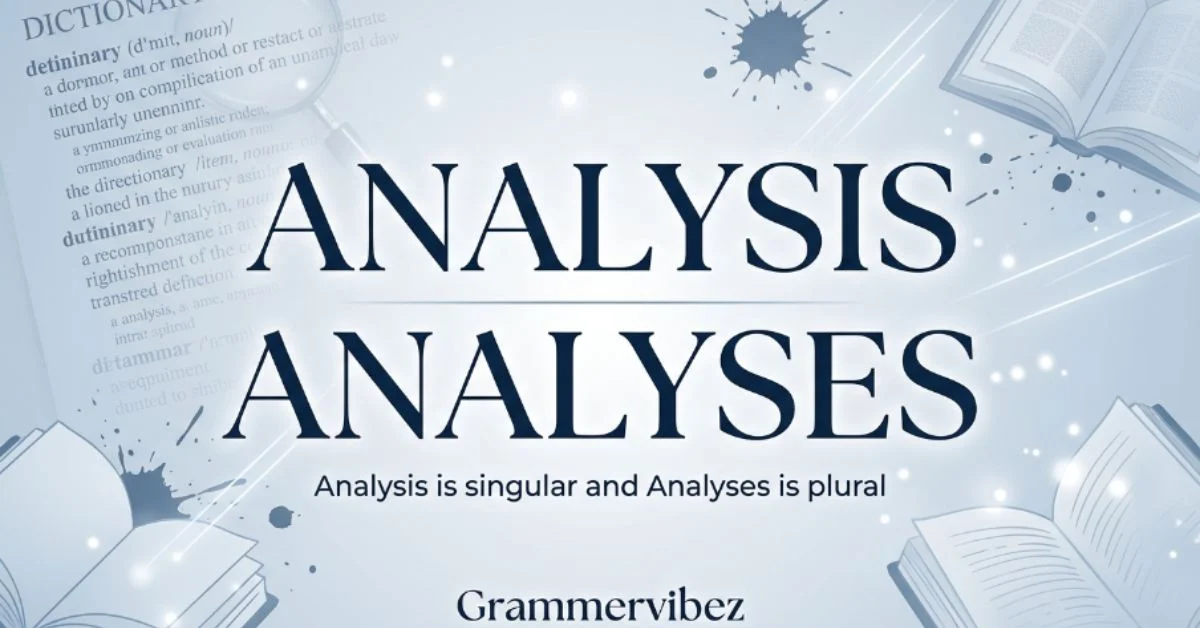
Analysis or Analyses: Which Word Should You Use?

analysis or analyses

Many English learners confuse “analysis” and “analyses” because the words look almost identical. However, they have different grammatical functions and meanings. “Analysis” is singular, while “analyses” is plural. Therefore, choosing the correct word depends on whether you are talking about one detailed examination or multiple examinations. Moreover, these terms are widely used in academic writing, … Read more

Duffle or Duffel: Key Differences Explained Simply

duffle or duffel

Many English learners and shoppers get confused between “duffle” and “duffel” when talking about travel bags. However, both spellings are correct, and they refer to the same type of large cylindrical bag used for travel, gym, or sports. The difference mainly comes from regional spelling preferences and brand usage. Therefore, understanding when to use each … Read more

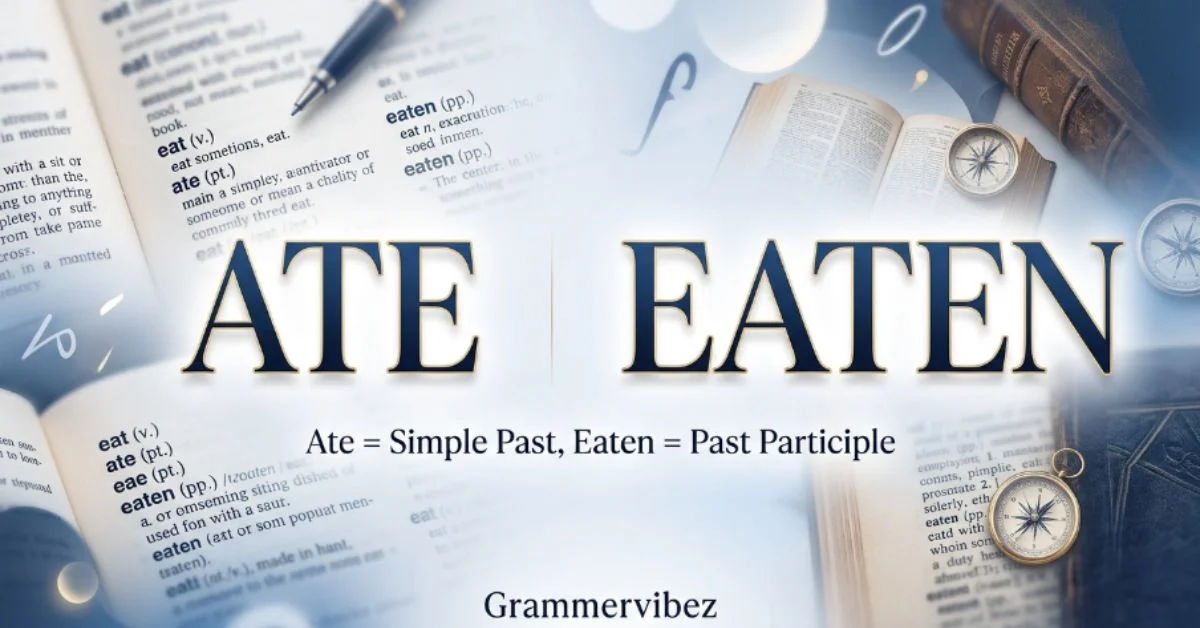
Ate or Eaten: Simple Guide to Past Tense vs Past Participle

ate or eaten

Many English learners get confused between “ate” and “eaten” because both words come from the verb “eat,” but they are used in different grammar situations. However, the difference is actually simple once you understand past tense and past participle rules. “Ate” is the simple past form, while “eaten” is the past participle used with helping … Read more

Roll or Role: Which Word Is Correct?

roll or role

Many English learners confuse “roll” and “role” because the words sound almost identical. However, they have completely different meanings and uses. “Roll” usually relates to movement, turning, or lists, while “role” refers to a position, function, or character in a situation. Therefore, using the correct spelling is important in both writing and speaking. Moreover, these … Read more

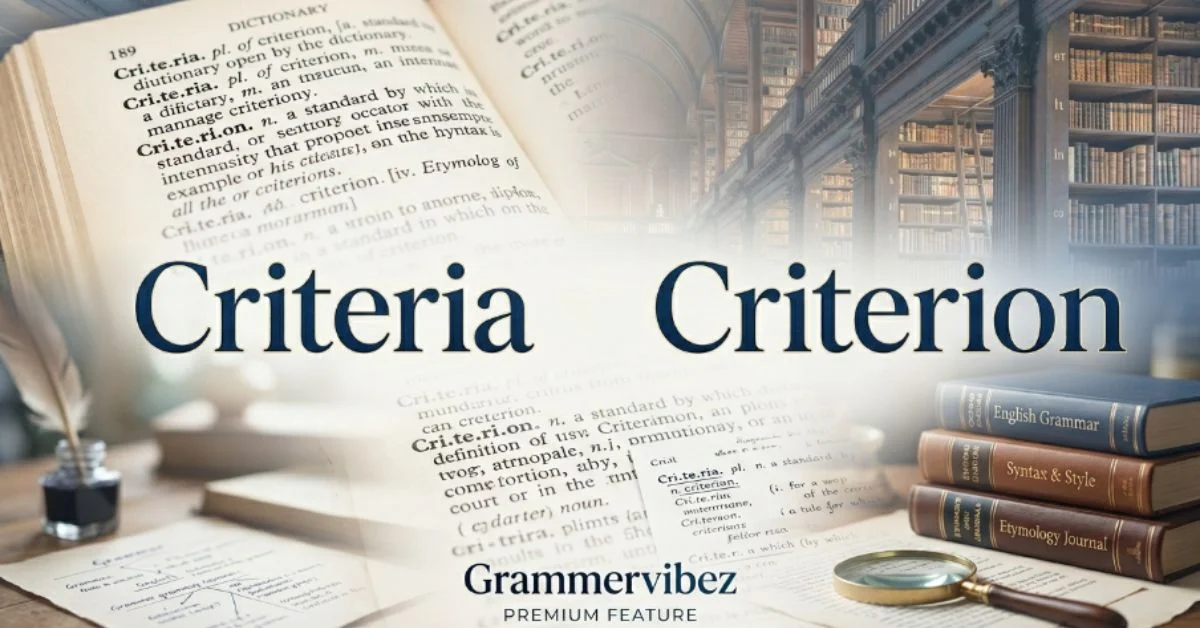
Criteria or Criterion: Which Word Should You Use?

criteria or criterion

Many English learners confuse “criteria” and “criterion” because the two words look very similar. However, they are not interchangeable. The difference mainly depends on singular and plural usage. Therefore, using the correct form is important in academic writing, business communication, and everyday English. Moreover, these words often appear in education, hiring processes, research papers, and … Read more